

Clay Plaster - a natural finish, coloured by the earth itself
White
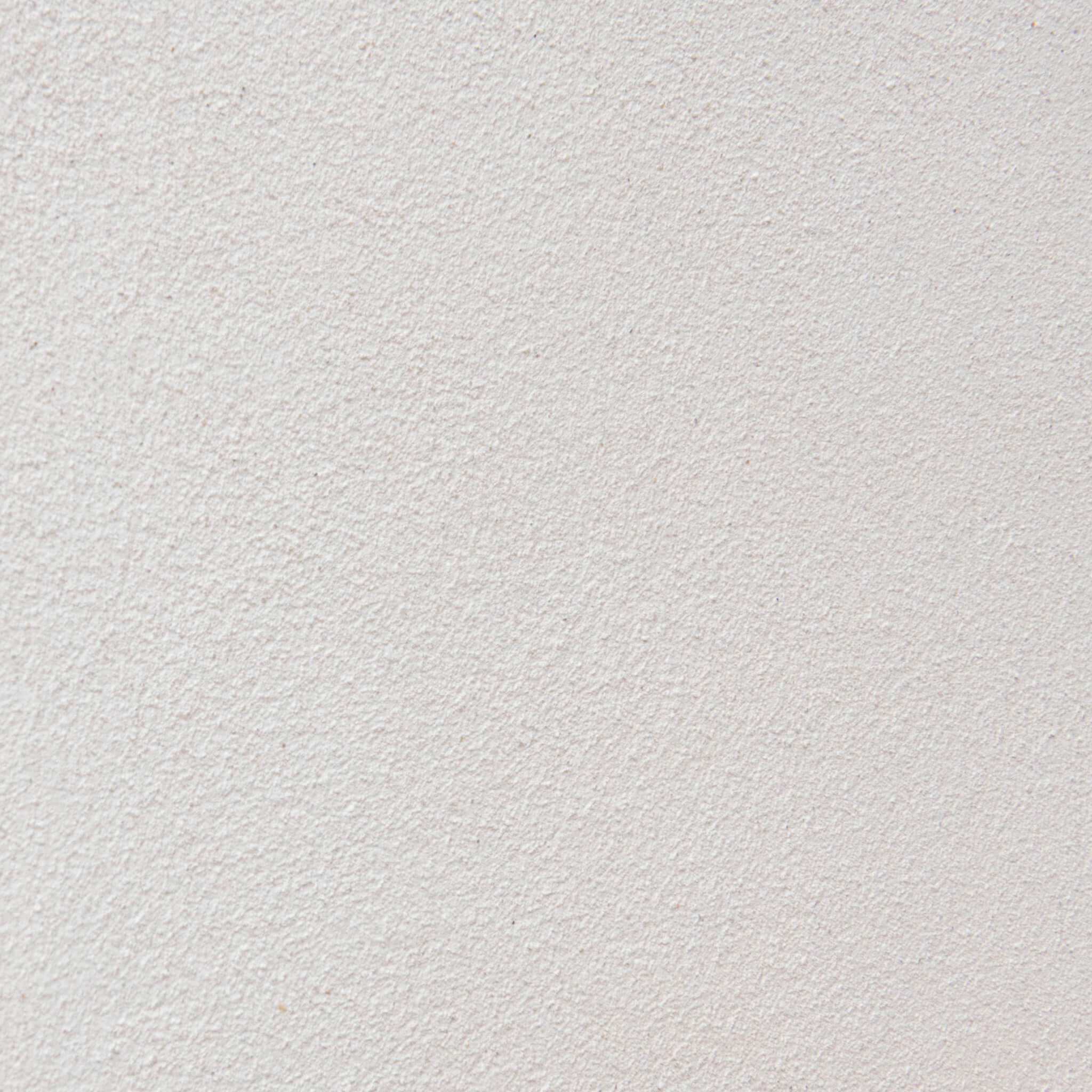
Light Beige
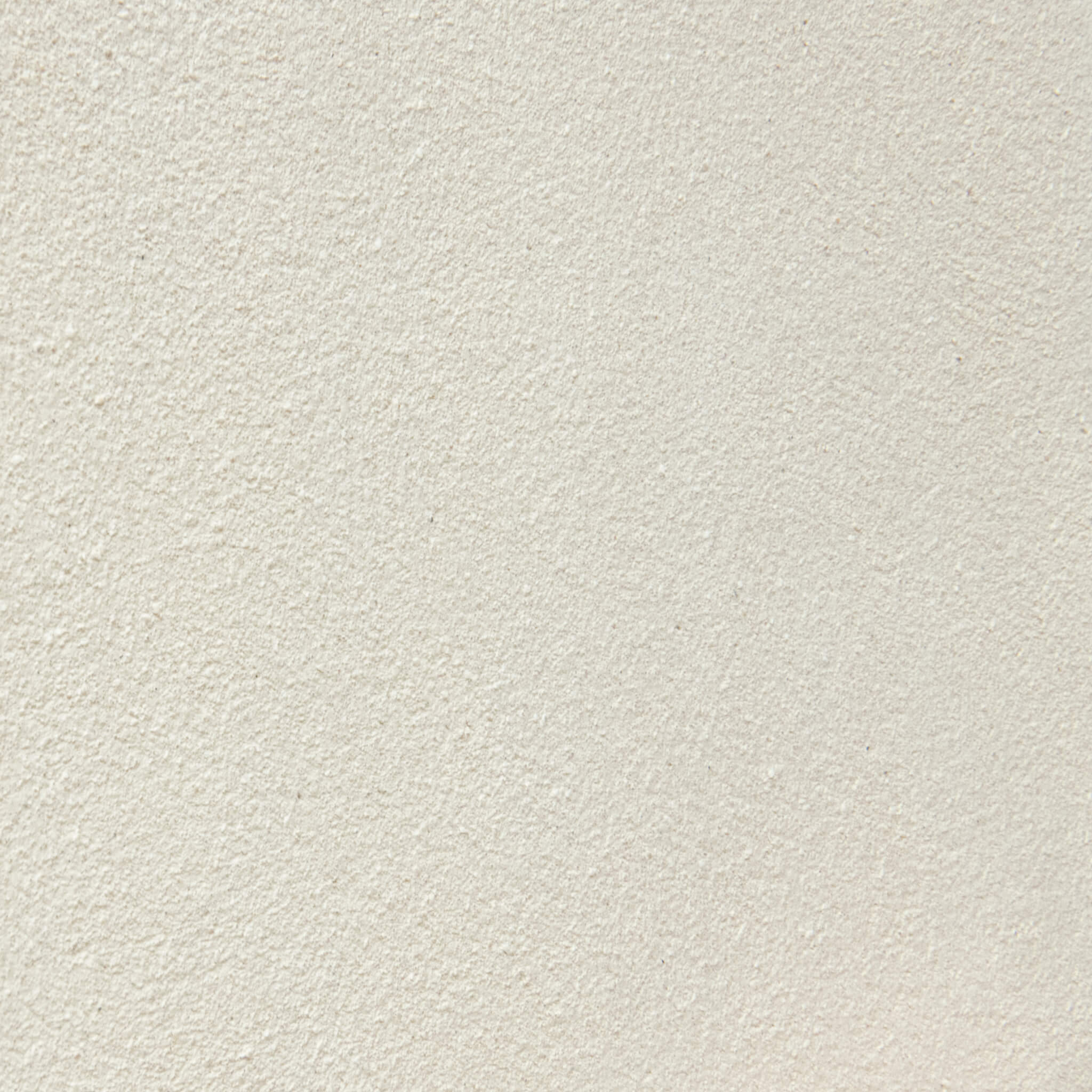
Beige
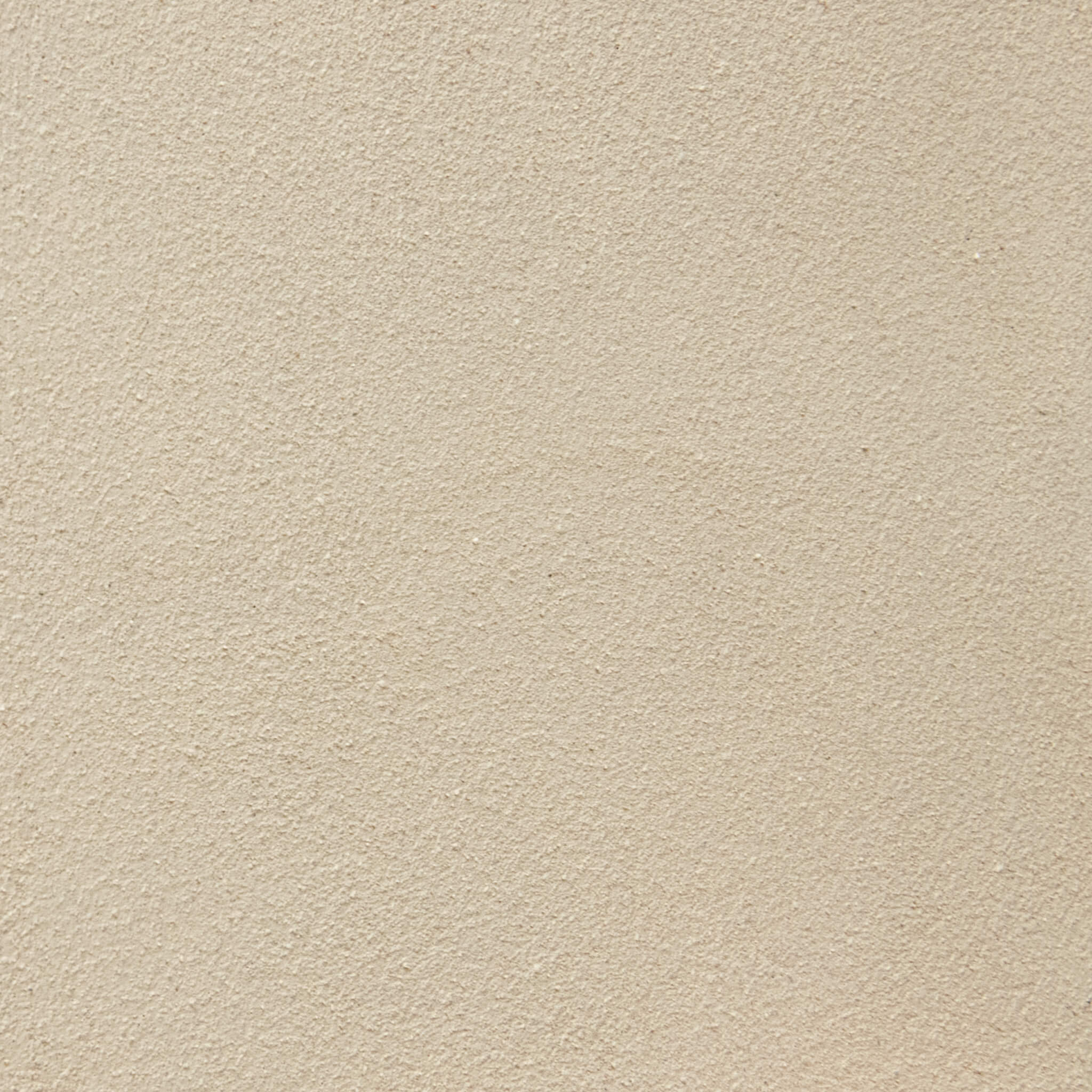
Olive
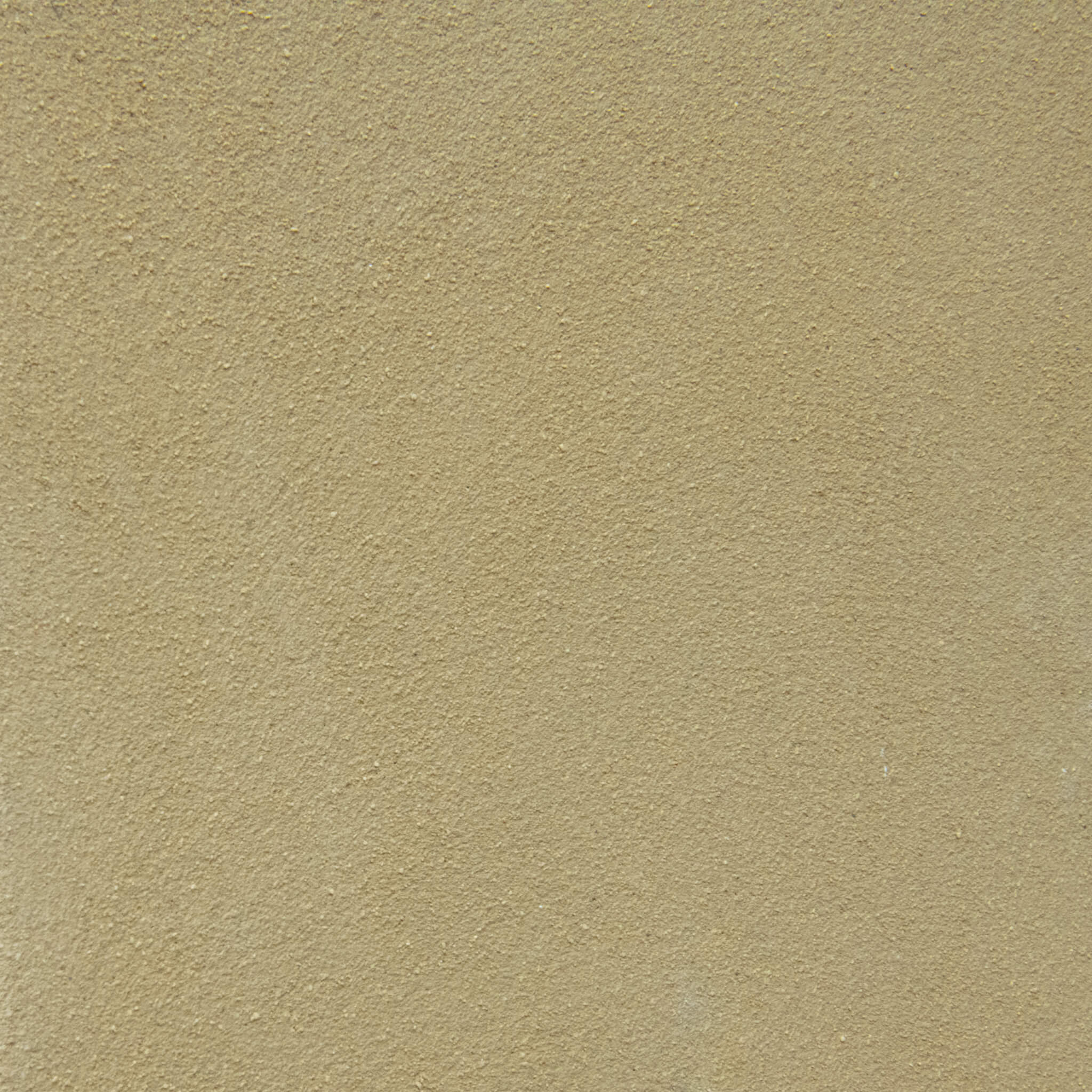
Brown
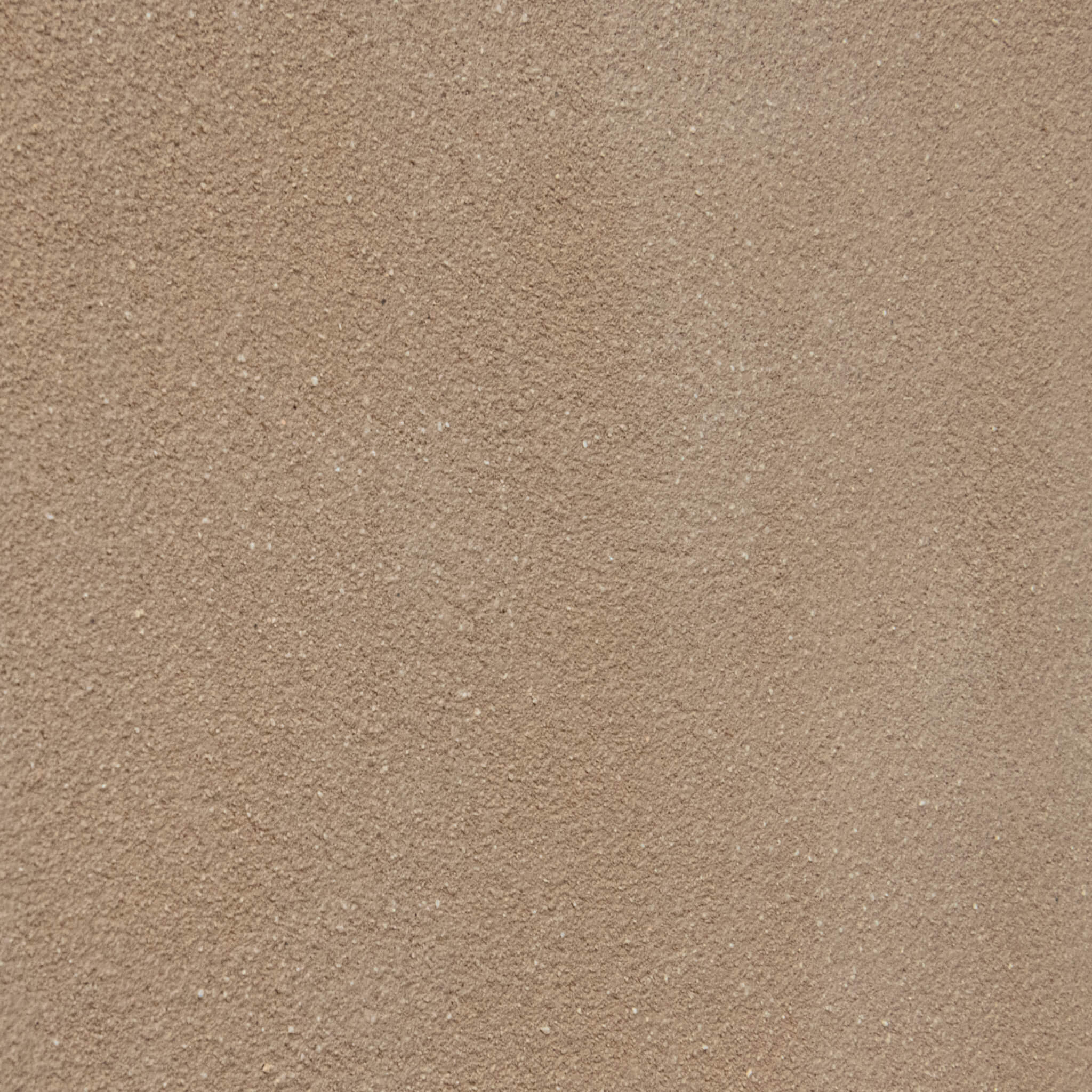
Cool Brown
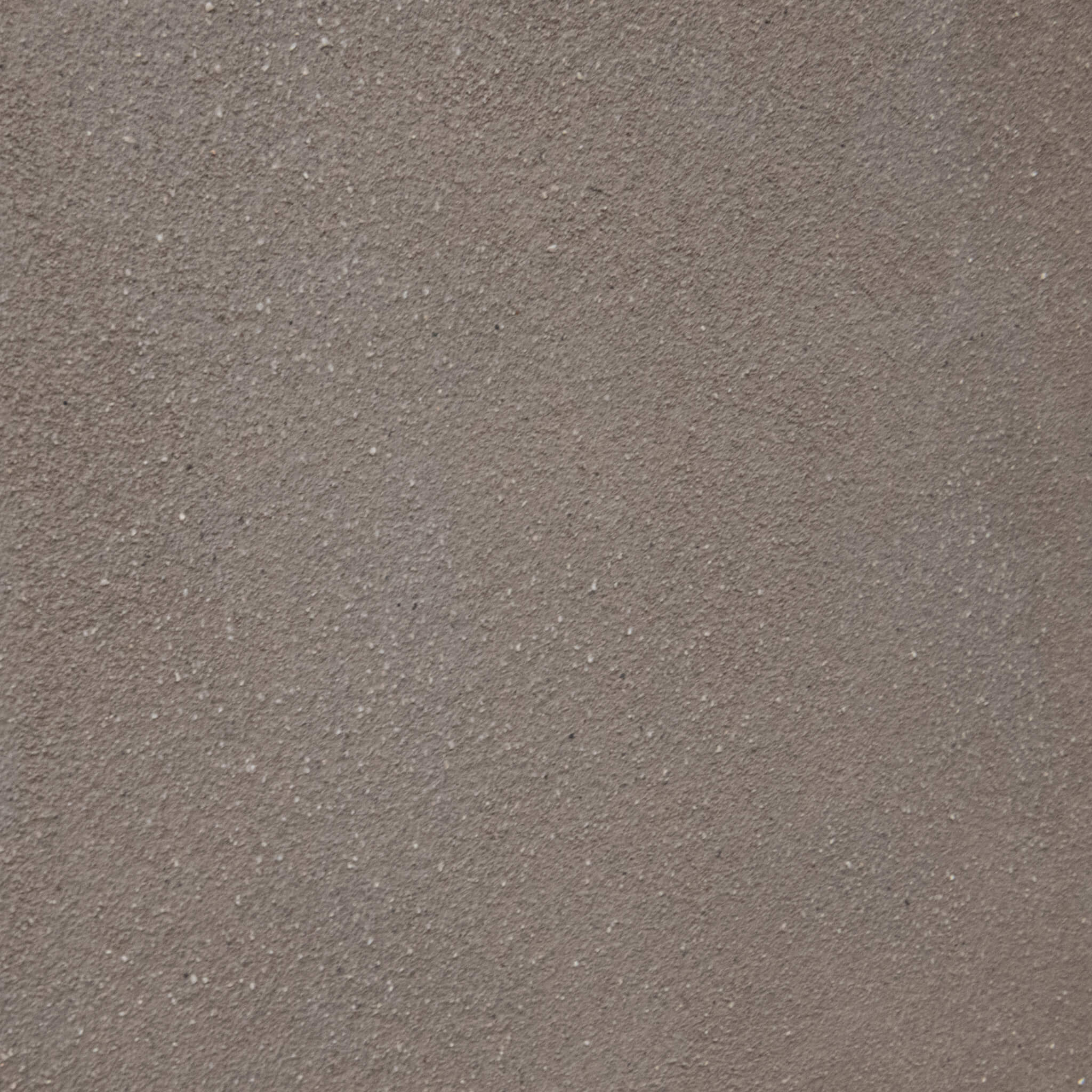
Light Grey

Grey

Dark Grey
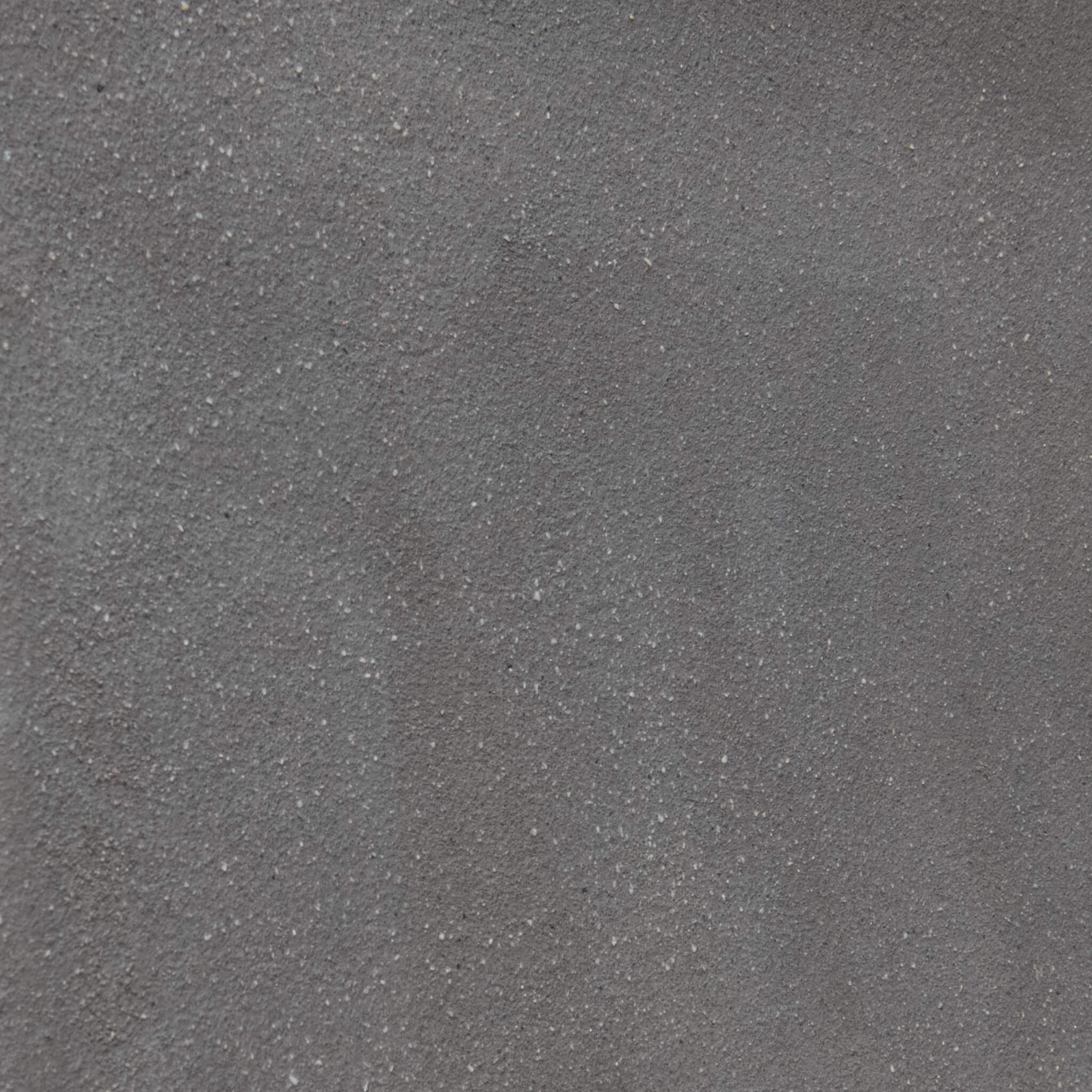
White
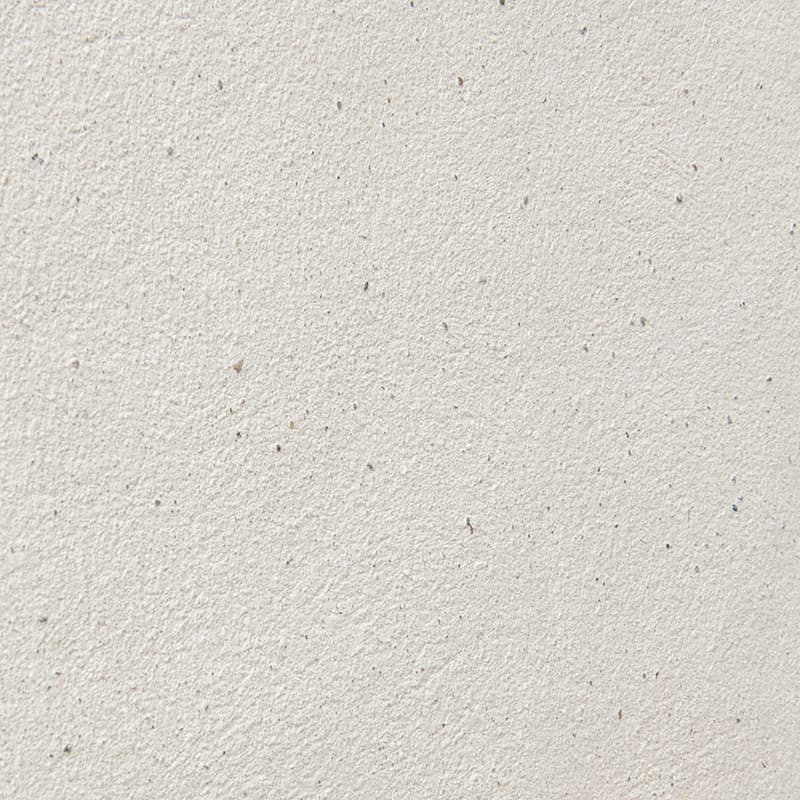
Light Beige
Beige
Olive
Brown
Cool Brown
Light Grey
Grey
Dark Grey
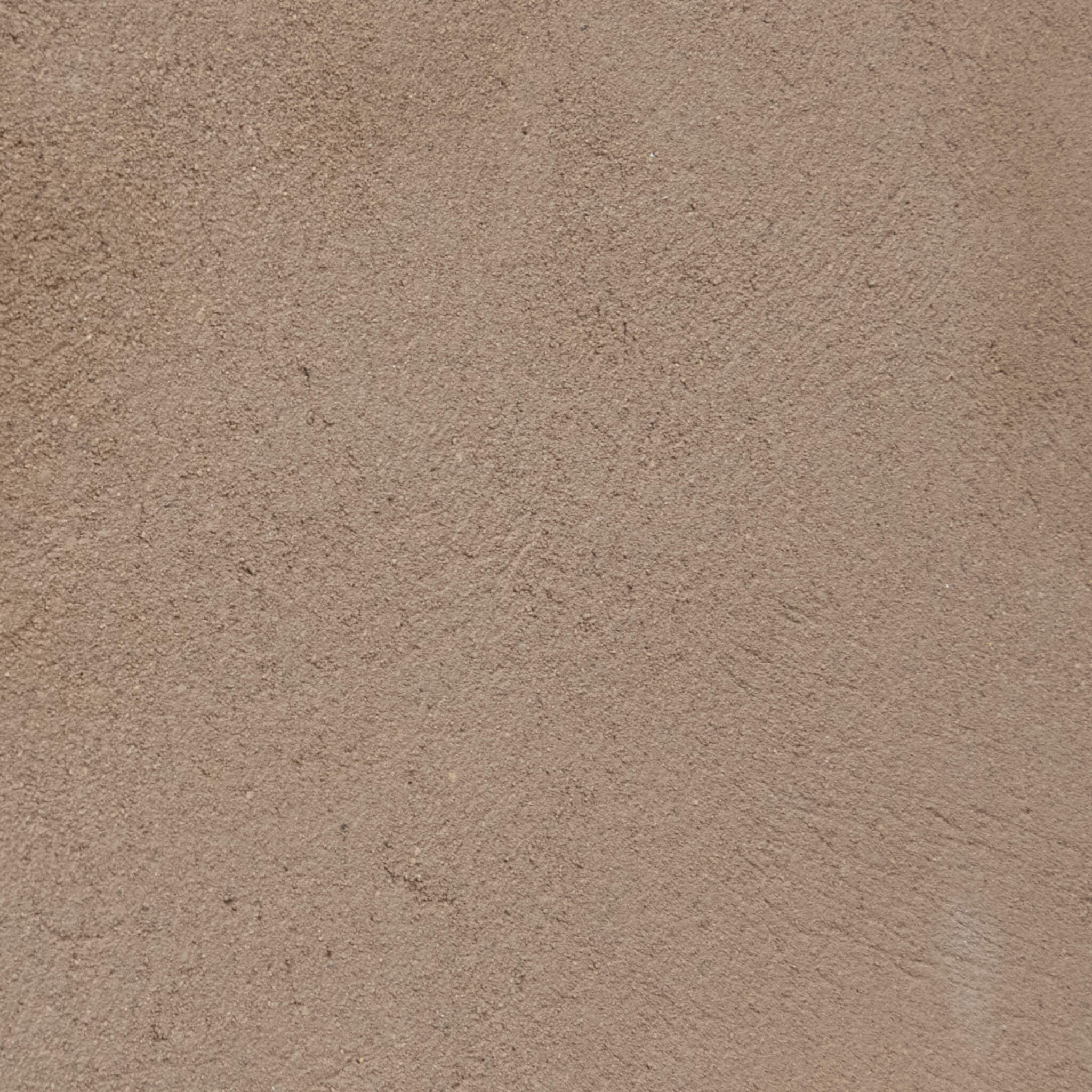
Base
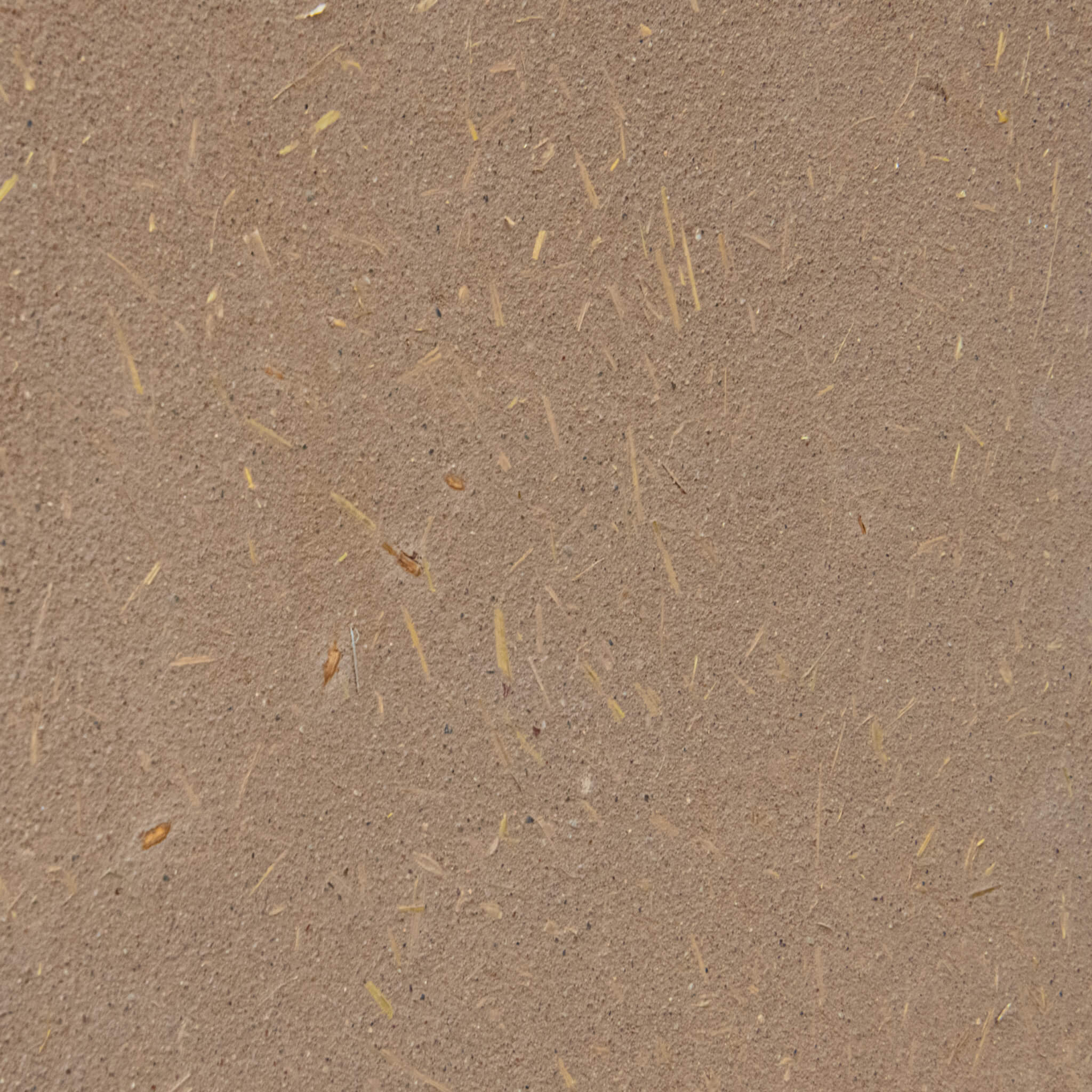
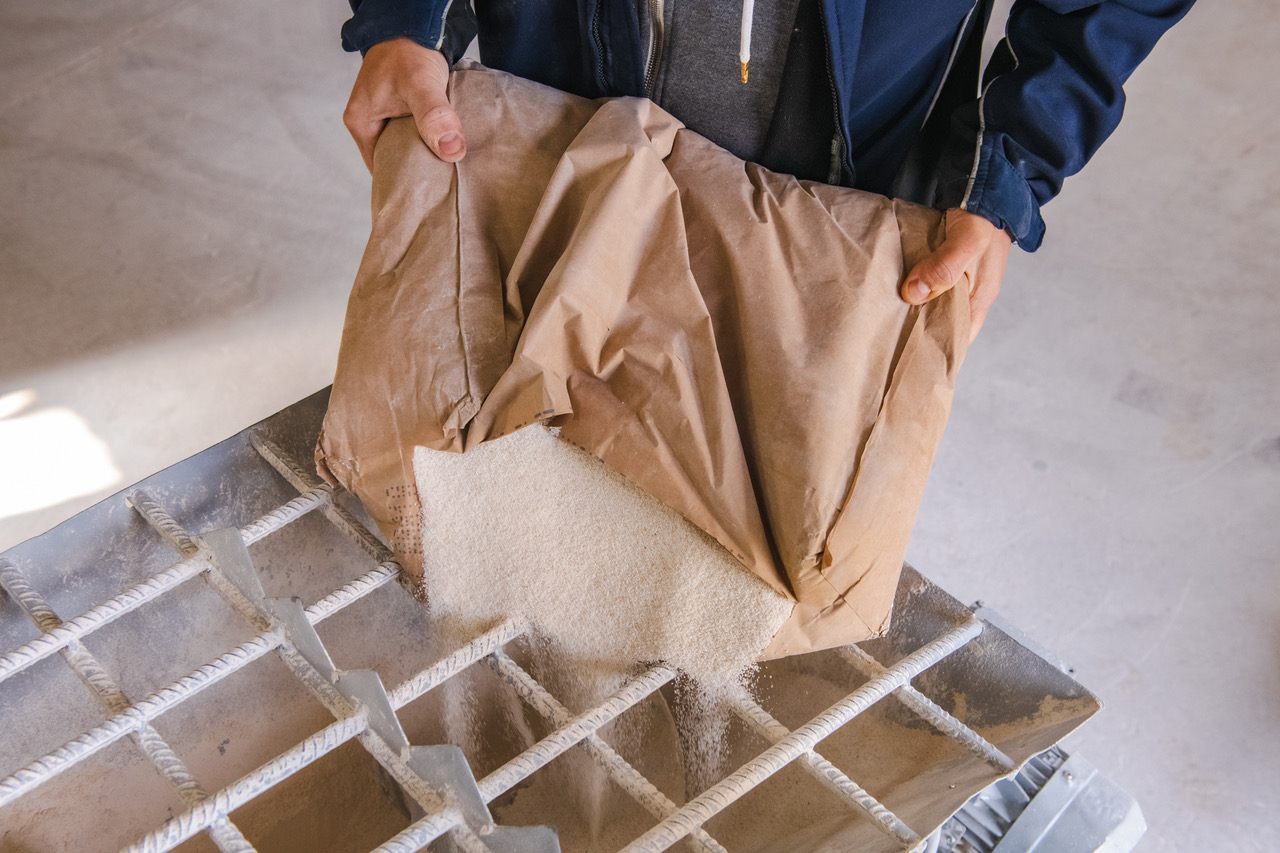
Base with straw

natural ingredients

and durable

humidity

and safe

mould
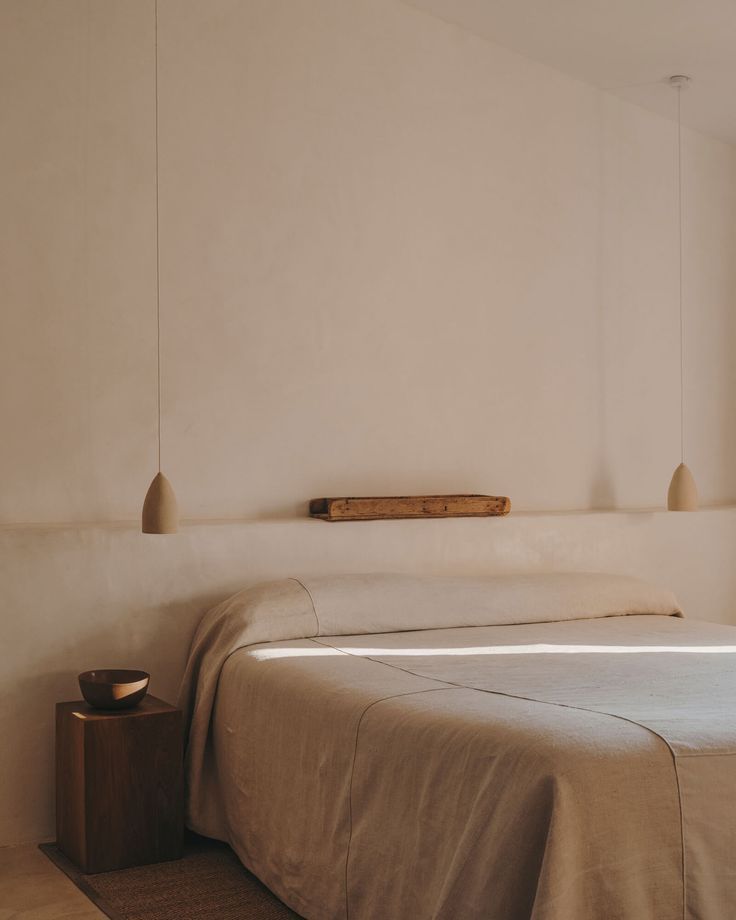
What the surface actually looks like
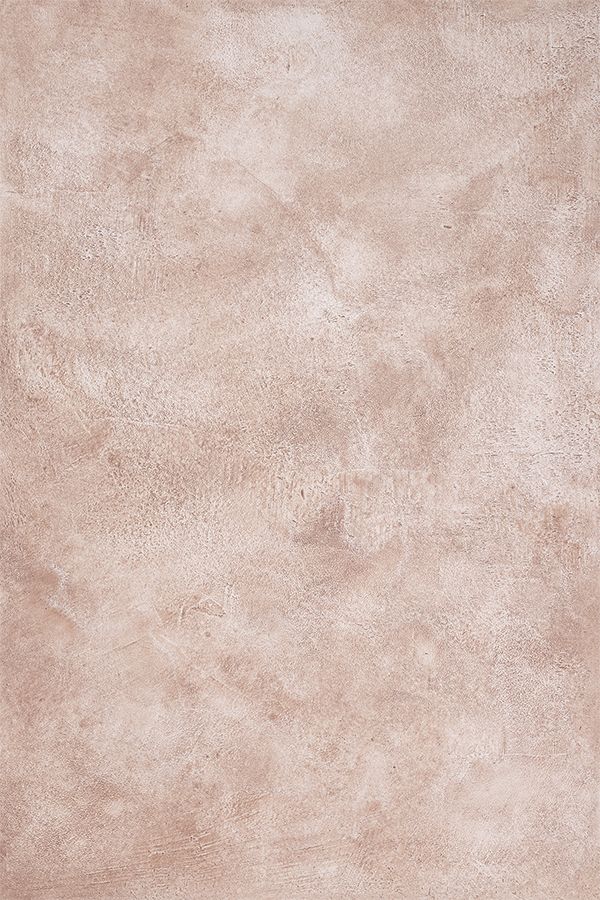
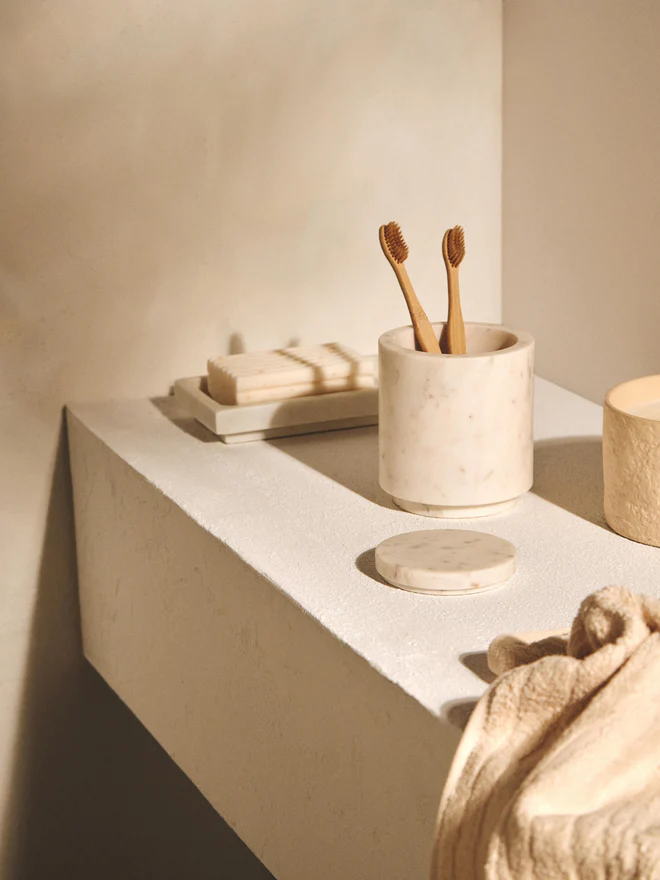
Clay plaster is hand-applied with a trowel or float, so the texture and tone shift subtly across a wall depending on the light and the craftsperson’s technique. It ranges from a soft, minimal grain to a more rustic, earthy texture.


Why it matters - sustainability in numbers
- Clay plaster's CO₂ footprint is roughly 0.02–0.05 kg CO₂e per kg, against 0.04–0.10 for gypsum plaster and 0.15–0.25 for acrylic paint.
- Switching from a standard gypsum-plaster-plus-acrylic-paint system to clay plaster cuts CO₂ emissions by around 31% per square metre.
- A well-applied clay plaster wall is expected to last 60 years, with damage repaired locally rather than the whole wall replaced.
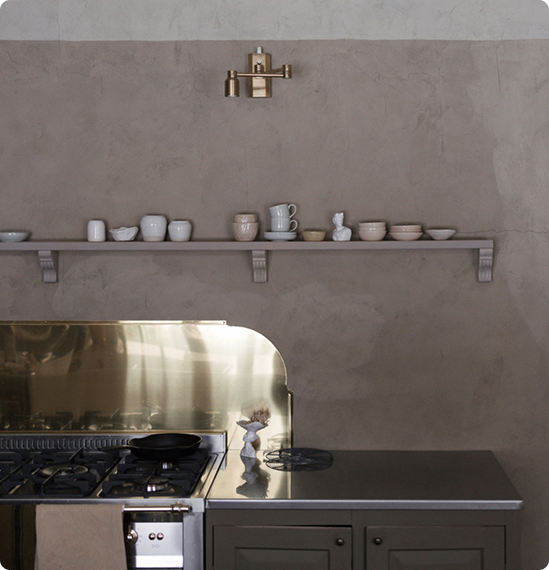
Consistancy across walls and ceilings, not floors or wet zones
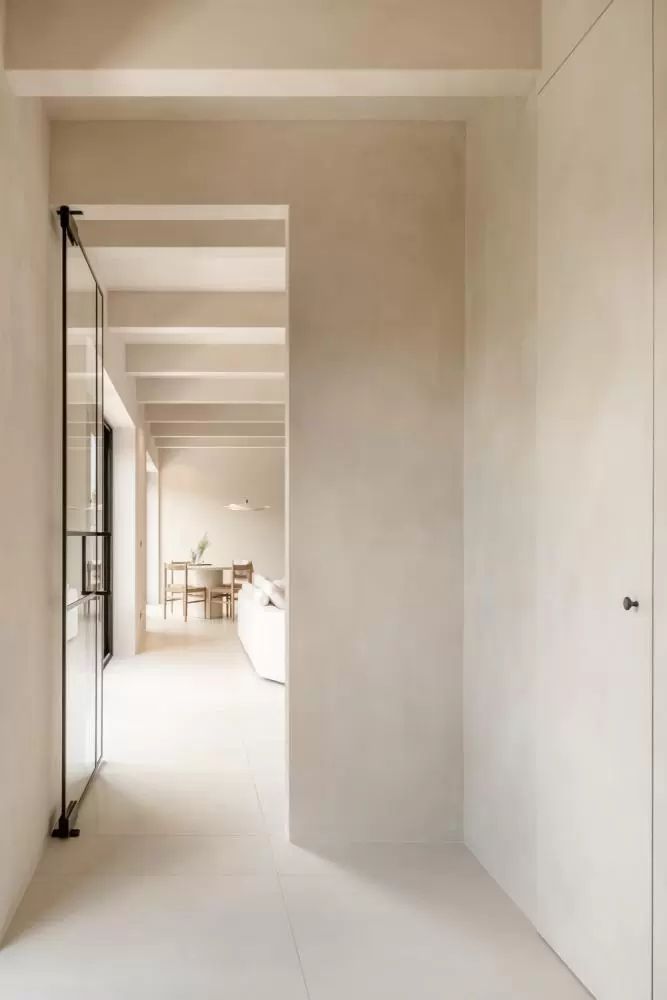
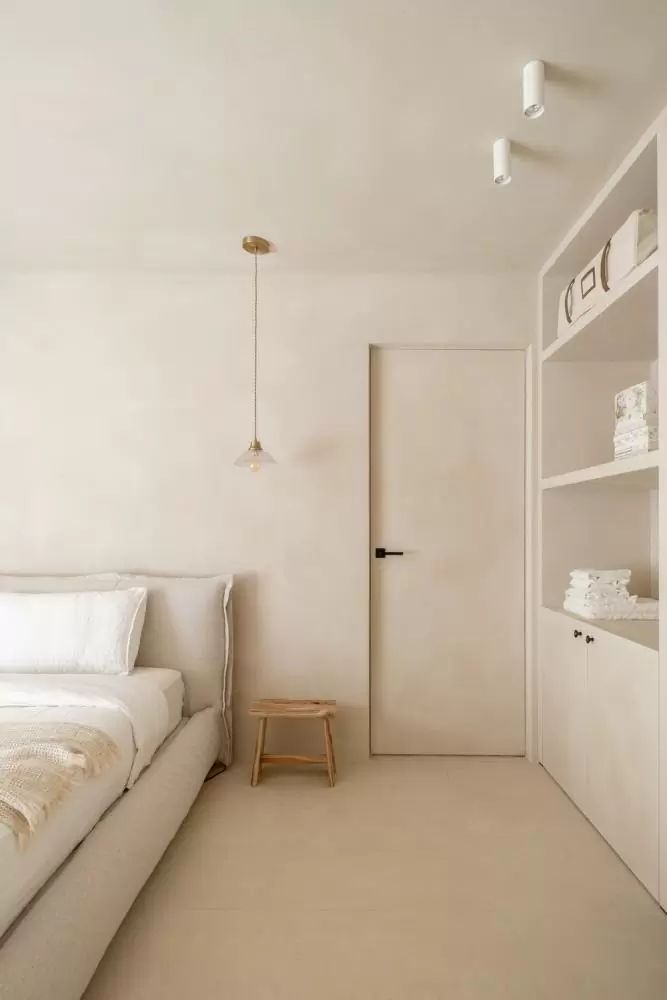
Clay plaster creates matte surfaces with a subtle play of light—especially where you want depth without sheen. It’s a natural, thin-layer finish, and the outcome depends on substrate preparation, timing and the chosen technique—not just the material itself.
We coordinate clay plaster across walls, ceilings, reveals and junctions, keeping transitions clean and the texture consistent across larger areas. Because clay sets by drying (not curing), controlling absorbency and drying conditions is part of delivering an even finish. Clay plaster is a craft finish. Gentle variation is part of its language—what we protect is detailing, texture consistency and the way the surface lives with light.
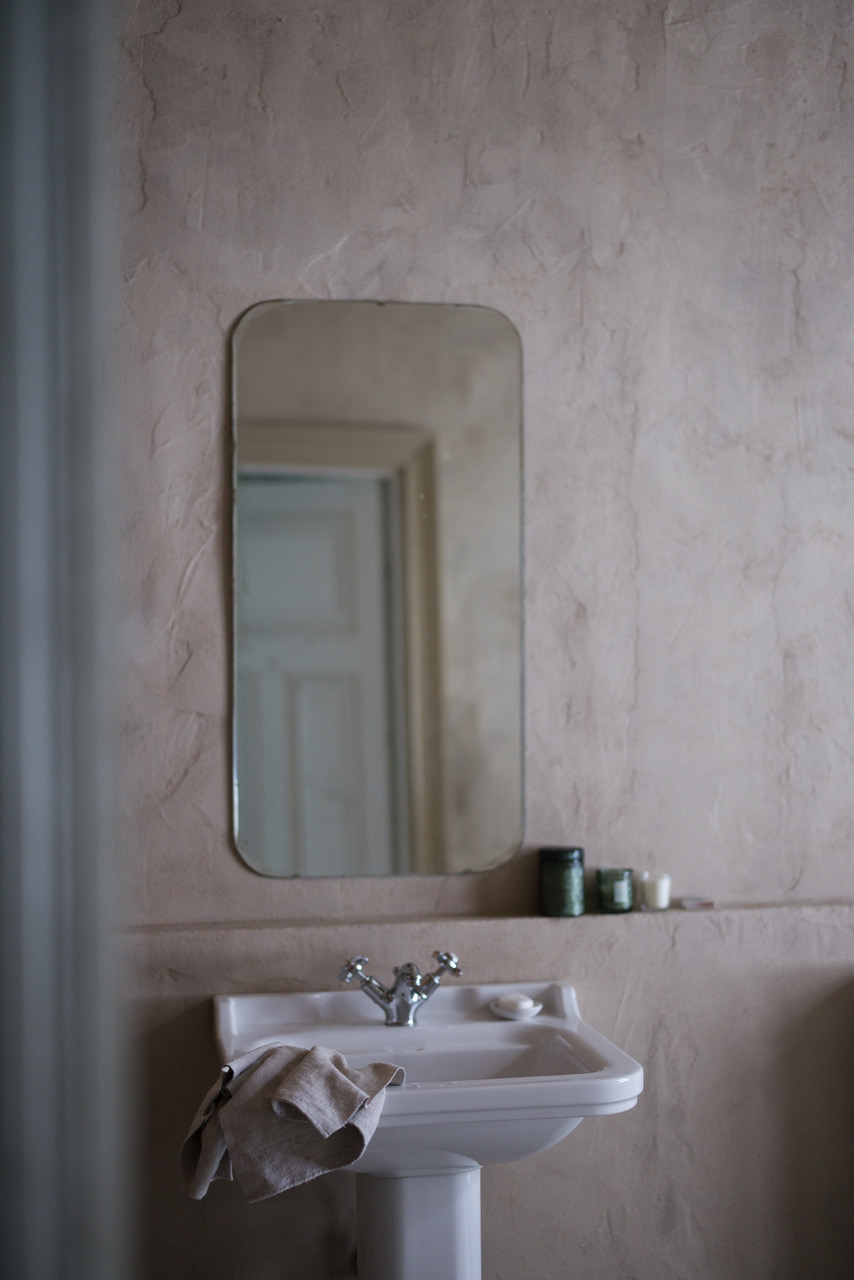
Clay plaster is a wall and ceiling finish. It is not designed for floors, showers, or any area with direct or sustained water contact. Within the right settings, it performs beautifully and brings real character to a space.
Where it fits best

How the system works
- Surface must be absorbent, stable and clean of dust and dirt.
- Non-absorbent surfaces (smooth concrete, plasterboard) need an adhesion primer with quartz sand first, applied at least 24 hours before plastering.
- Absorbent surfaces (existing clay, lime, or cement-lime plaster) are dampened with water beforehand.
- Masonry (brick, block, aerated concrete) is dampened the day before, then given a scratch coat — clay-based on porous walls, lime-cement on smoother ones.
- Timber substrates need a reed mat and embedded mesh first, to prevent cracking.
- Uneven or mixed-material substrates may need two coats instead of one, since a single layer won’t read consistently over a non-uniform base.
- Base coat applied up to 15mm thick, finish coat up to 5mm — both thin relative to a standard render.
- Once "dry to the touch" (20 minutes to 4 hours, depending on humidity and temperature), the surface is worked with a sponge float, steel float, or Japanese/Venetian trowel to bring out the final texture.
- Finish can be smooth, smooth-with-visible-texture, or rustic, worked wet — the final look depends on the plasterer's technique, not just the product.
- Working and drying temperature minimum +5°C.
- Fully dry within 24–48 hours under good conditions.
- Good ventilation needed — heating the room to speed drying can cause cracking.
- The coarse-grained base clay plaster should not be applied to plasterboard/drywall or natural boards such as Vesta Eco. For these substrates, only the fine finishing clay plaster should be applied, with a maximum thickness of 5 mm.
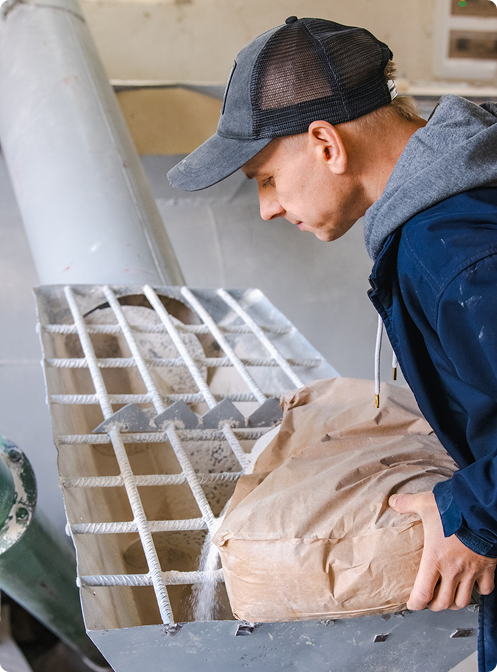
Earth colours, not a paint chart
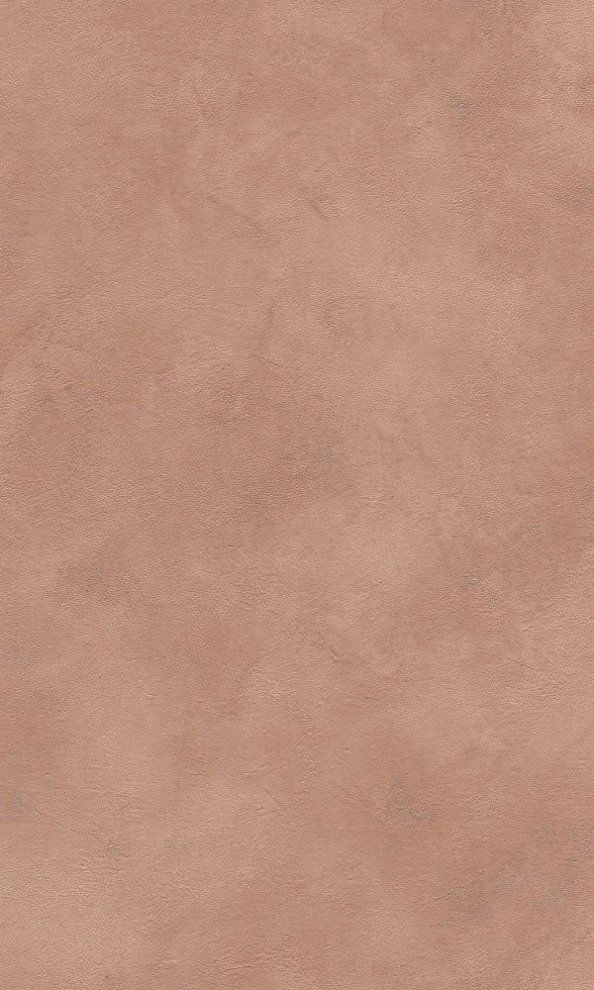
The colour pallette comes from nature. Every colour is a direct result of the specific clay used in the mix - white, beige, light brown, grey, light grey and dark brown are the standard range, each shaped by the geology of where that clay was found in Poland.
Because colour comes from raw material rather than a dye batch, there is natural, gentle variation from batch to batch. This is part of the character of the product - no two walls are ever perfectly identical.
“For example, this plaster encapsulates the history of the Owl Mountains, a region shaped by the remnants of an ancient sea, now only traceable through sedimentary rocks. The raw earth from this area is a homogeneous, mesmerising grey, matured over millions of years in anaerobic conditions.”


Marcin’s journey - from general contractor to natural building
Costka was founded by Marcin Kacprzyk, who began working in construction in the mid-2000s, initially as an interior designer and general contractor — applying tiles, gypsum plasters and cement finishes across homes in north-east Poland. After some years, he began to notice health problems from the materials he worked with daily — skin irritation and other issues he traced back to the products he was applying.
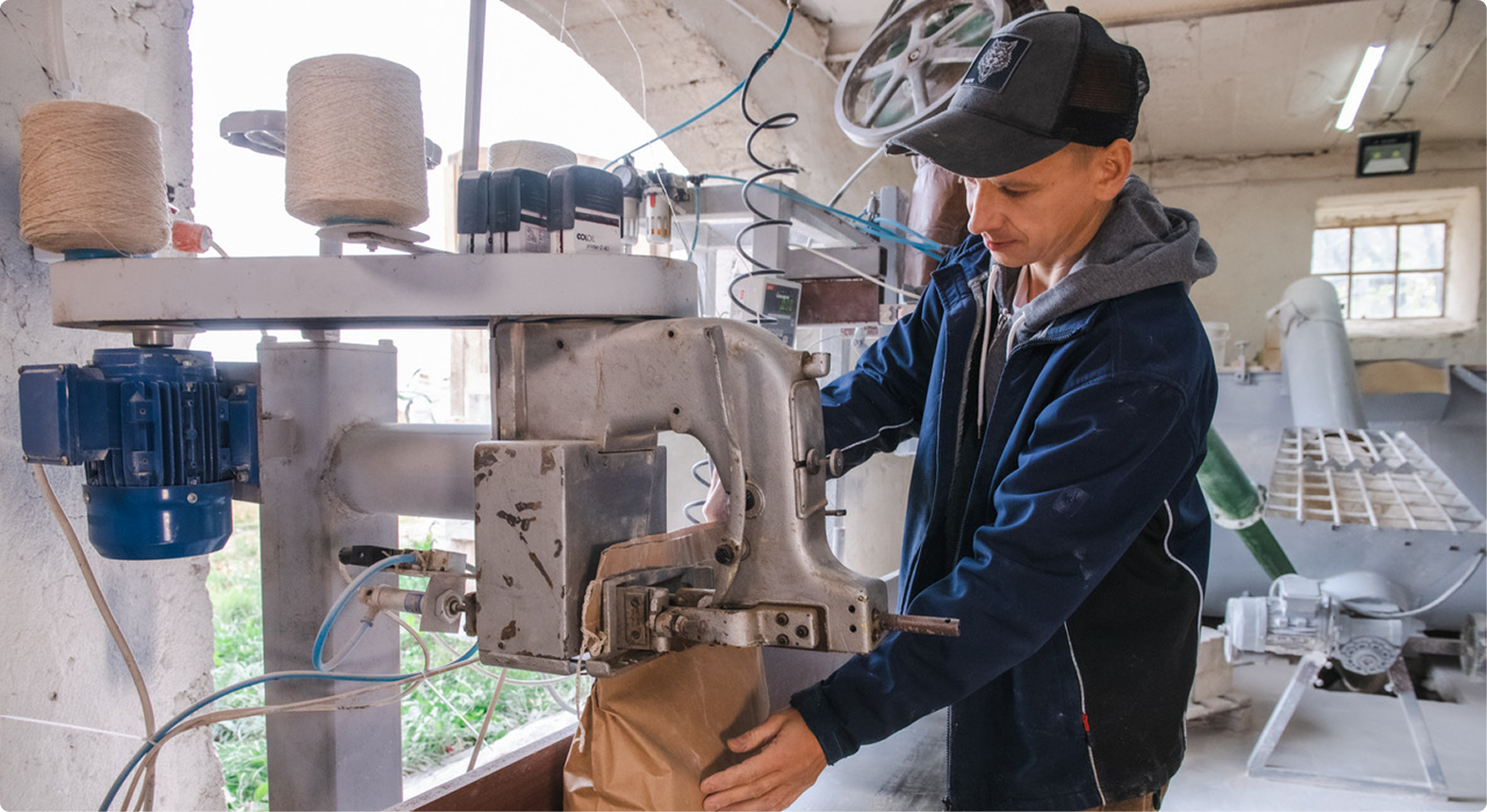
He began exploring alternatives and discovered clay plaster — a material with a long history in Poland, but which had fallen out of favour after the Second World War, when it became associated with poverty rather than choice. Marcin travelled across Poland and attended workshops, including in Germany, to learn traditional clay building techniques in more depth, and began applying clay plaster made from earth he dug and mixed himself. This was the beginning of his business, Costka, who are our partners for clay plaster and other natural materials.
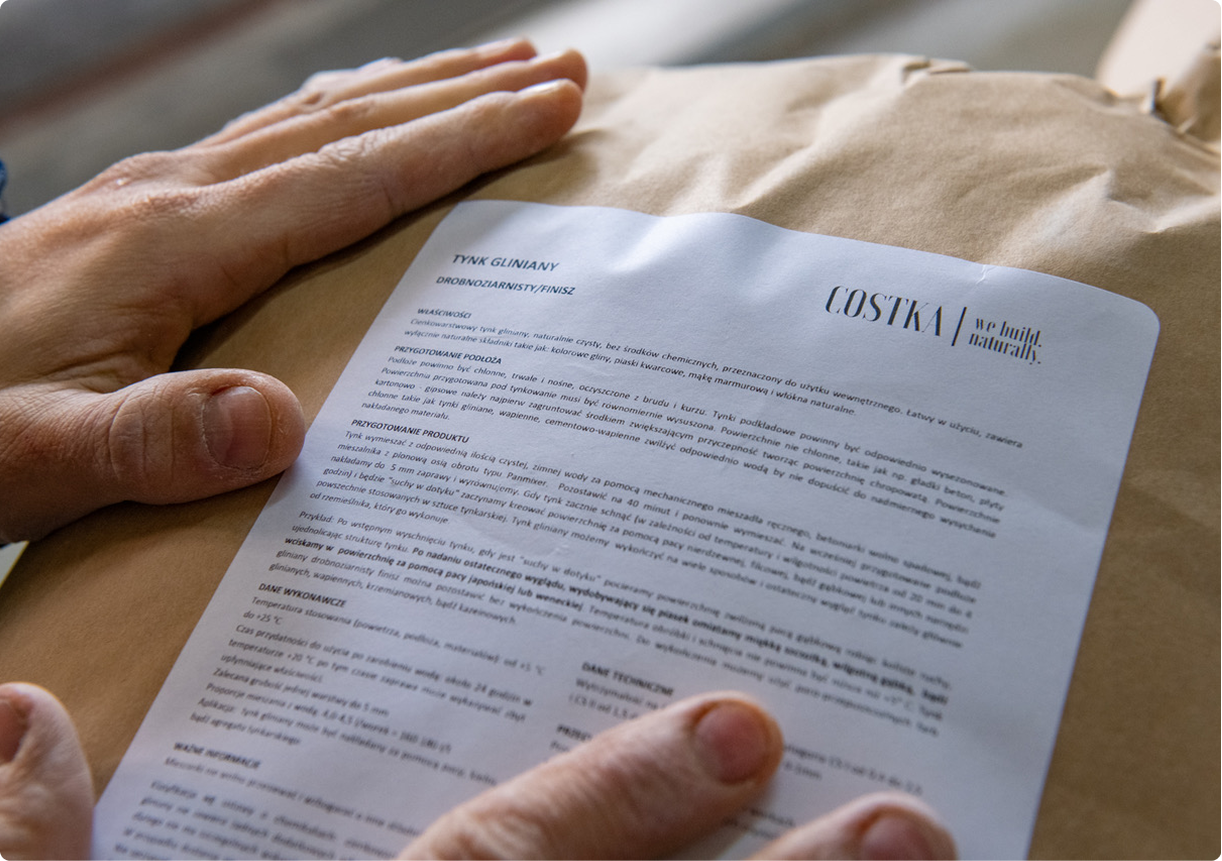
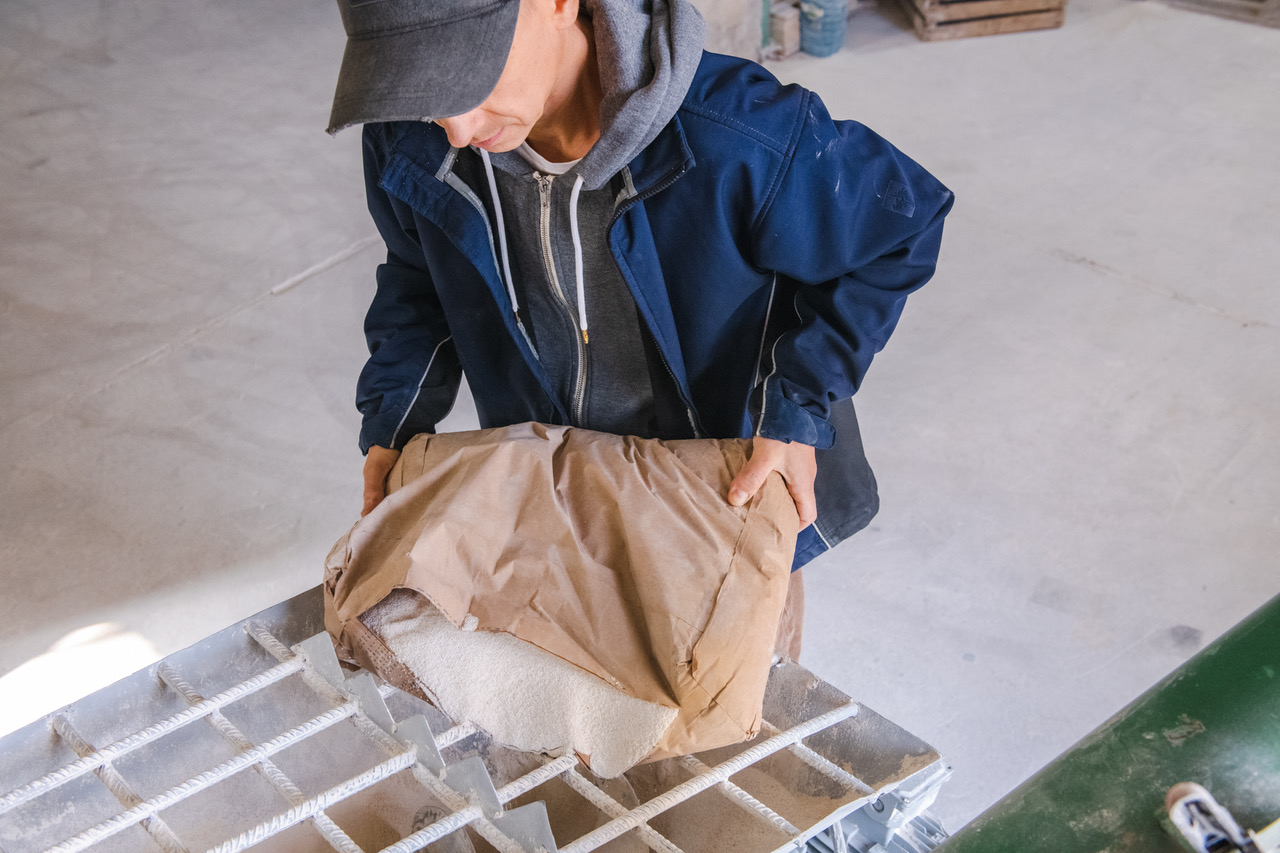
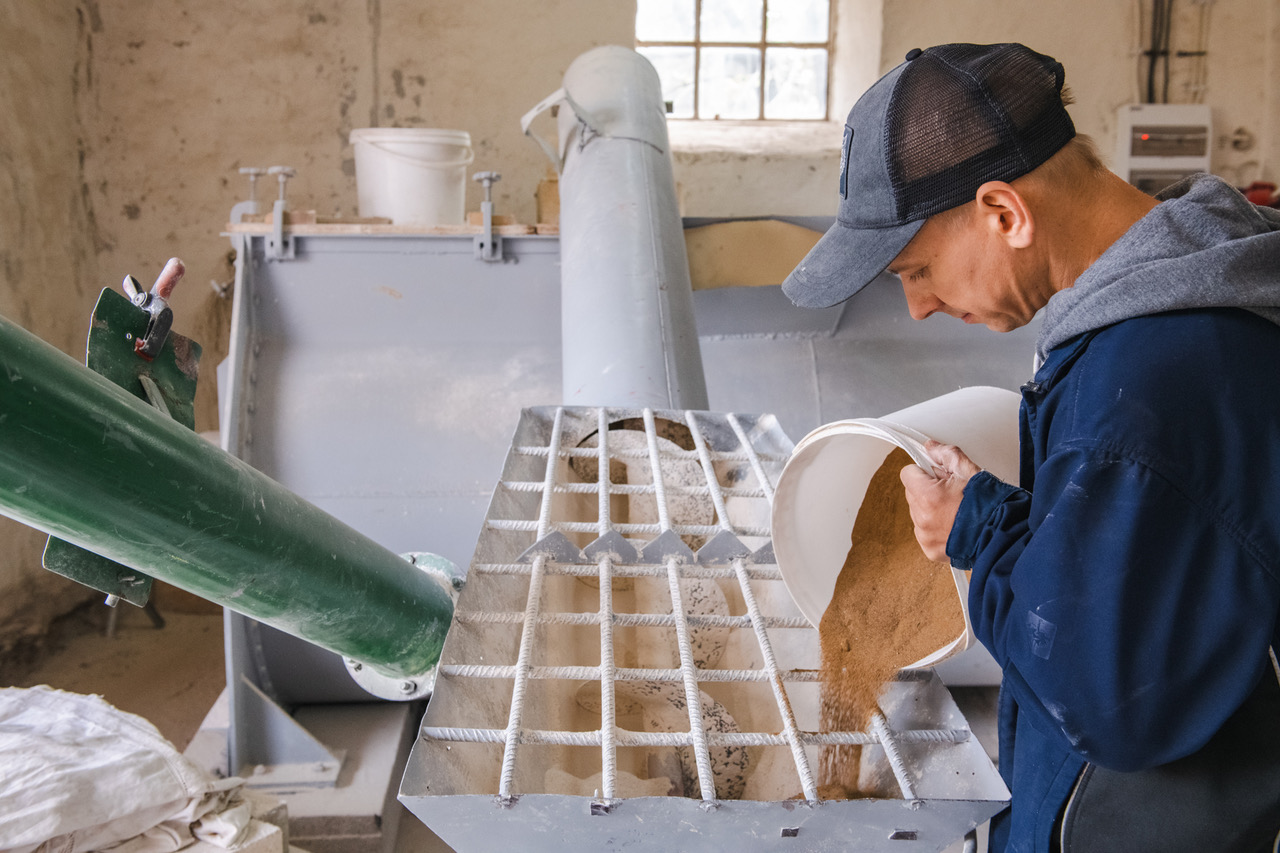
What makes Costka distinctive is their use of colour from nature rather than artificial pigments — colour comes purely from the clays they collect, which means careful sourcing and batch planning to keep colours consistent. Production stays focused and largely hand-made, in a family manufacturing setup, and materials are sourced close to home in Poland to minimise transport and reduce their carbon footprint.
Marcin Kacprzyk is the recipient of the MUST HAVE 2023 award for his work on Costka's clay plasters and paints. He regularly runs workshops, trains architects, and contributes to publications on natural building.



Frequent Questions
001
001
Is clay plaster expensive?

It costs more upfront than standard gypsum plaster and paint, but the real comparison is long-term. Gypsum plaster typically needs repainting every three to five years, while a well-applied clay finish can last decades without that maintenance cycle — so the lifetime cost often works out lower, not higher.
002
002
Is it suitable if I have kids, or for busy family homes?
Yes — clay plaster is non-toxic, has no harsh chemical smell, and is a durable, low-maintenance finish well suited to family living spaces, bedrooms and hallways.
003
003
Can it go in my kitchen or bathroom?
Only in areas with periodic humidity, not in direct water zones. It is not suitable for showers, splashbacks or any surface that gets wet directly or regularly.
004
004
Will the colour be consistent across my whole wall?
Gentle natural variation is part of the material's character, since colour comes from raw clay rather than a dye. This is what gives each wall its individuality, rather than the flat uniformity of paint.
005
005
How do I clean and look after it?
Light dusting or a soft, dry brush is usually enough. Clay plaster is not designed for heavy scrubbing or wet cleaning, so avoid excess water and abrasive products.

© 2026 The Space Affair
Terms & conditions
