

Microcement for serious surfaces
Seamless surfaces for walls and floors—made for architectural clarity, durable performance and clean transitions.
Blanco Puro

Blanco Roto

Nacar

Perla

Marfil

Olivo

Caliza

Cemento

Piedra

Plata

Nube

Tierra

Crema

Quarzo

Hierro

Acero

Terracota

Turba

Albero

Corten

Capri

Azul

Noche

Negro


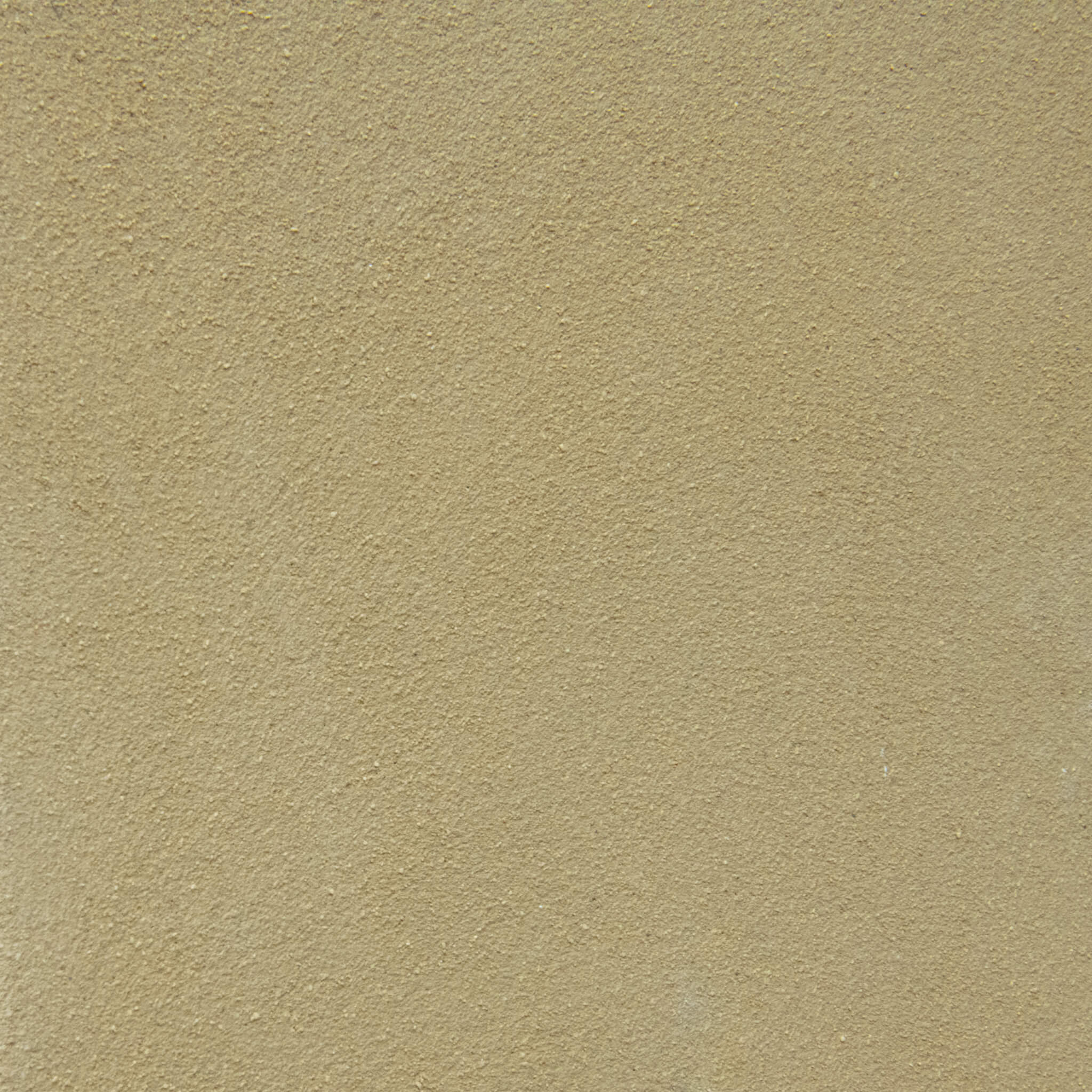
Our role at The Space Affair is to make the system work. Once your contractors have prepared the base, we apply the primers, base coats, top coats and sealer – layer by layer, by hand. This is what turns the material into a finish you can actually live with.
Mica

Aluminio

Titanio

Oxido
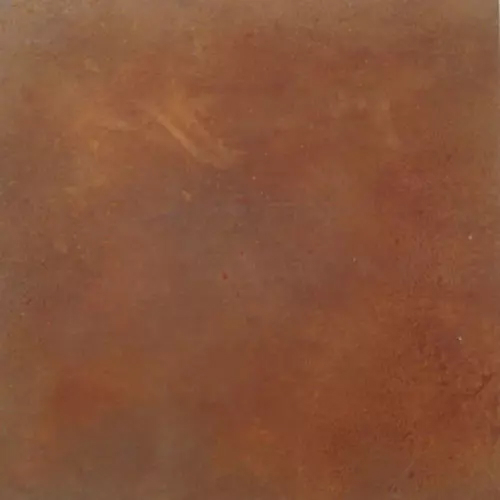
Therefore, the colours shown here are approximate. Variables such as screen settings, the artisanal application process, curing conditions, layer thickness, substrate absorption, etc., may cause variations in the final colour of the microcement.

no grout lines

– lab-tested to perform

compared to alternatives


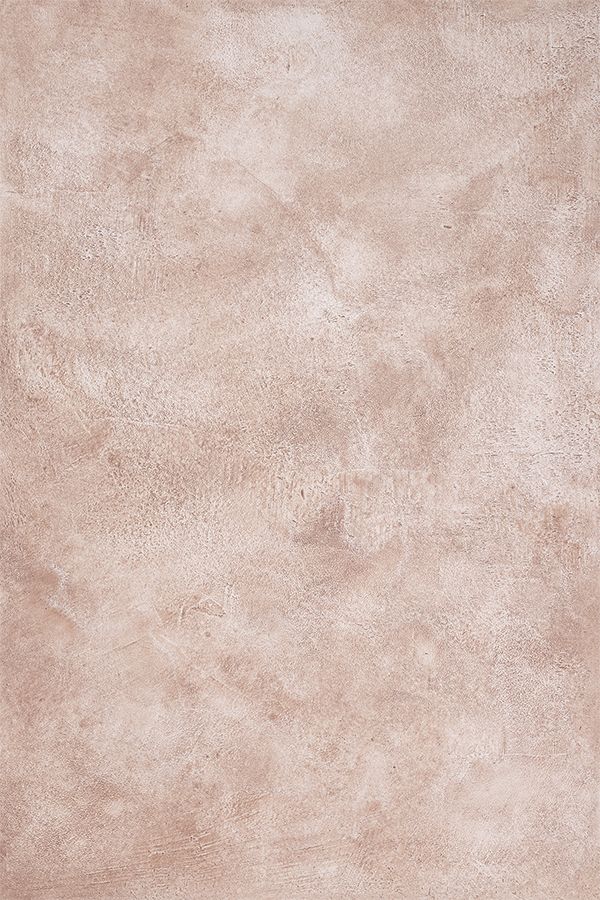



What the surface actually looks like
Microcement is handmade. Each surface is applied by trowel, coat by coat, which means every finish is unique – no two projects look exactly the same. What you are choosing is not just a colour. It is a texture, a feel, a quality of light.
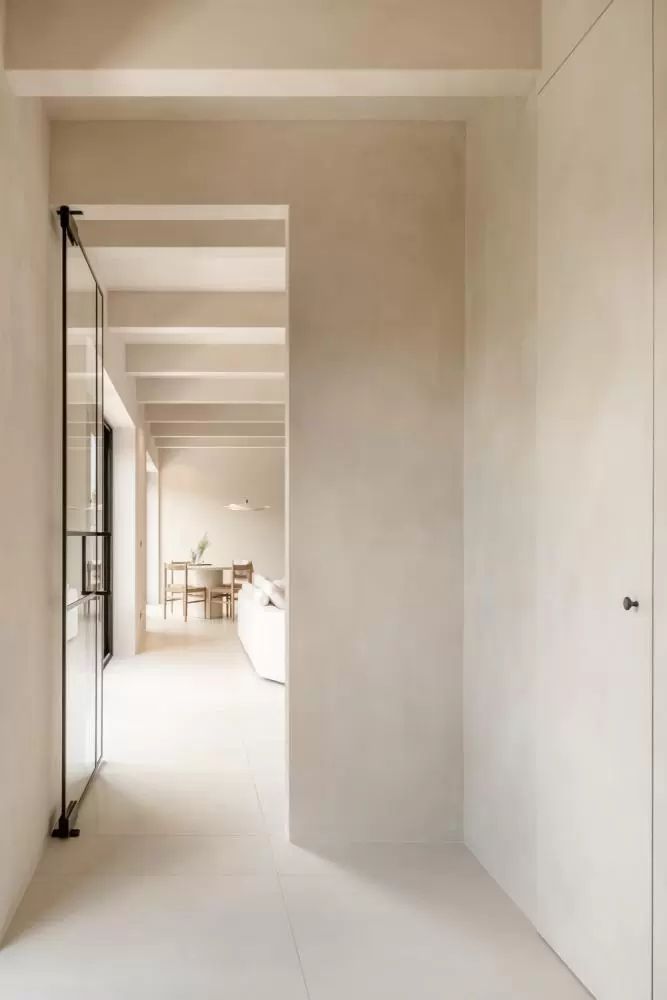
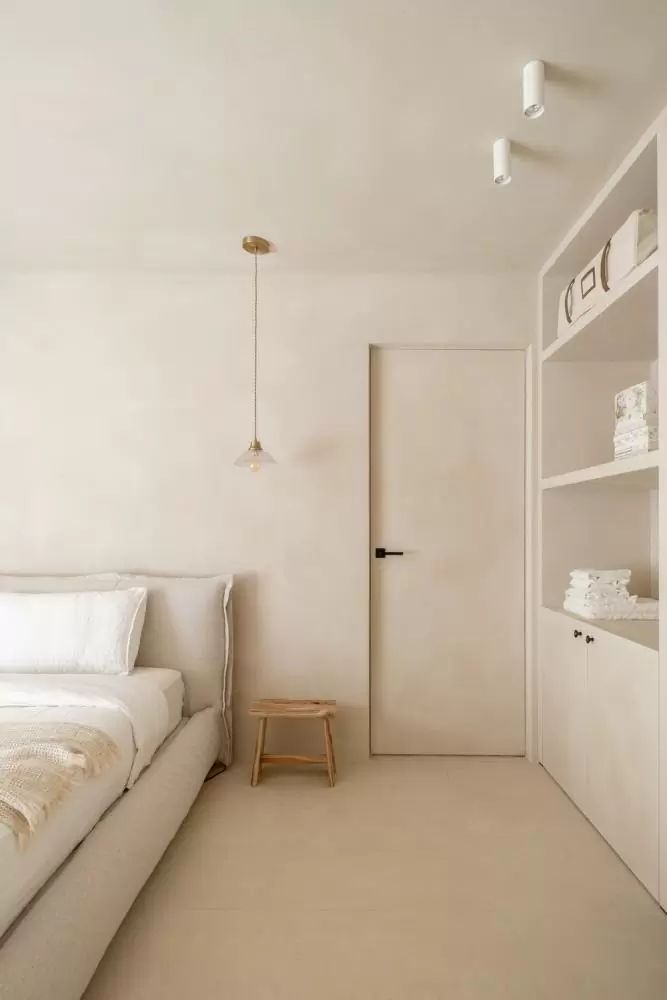
The surface is continuous and seamless – no grout lines, no cuts, no joints. It flows from wall to floor, from room to room, creating that calm, uninterrupted architectural effect that makes a space feel considered rather than assembled.

.jpg)
.jpg)
Seamless continuity across walls & floors
Microcement creates continuous, hardwearing surfaces that run from floor to wall without visual breaks – ideal when you want a calm, architectural background rather than lots of lines and cuts.
The system is thin, but the result depends on what happens underneath and on how each layer is applied. We coordinate microcement across floors, bathrooms, stairs and junctions, keeping transitions clean and expansion joints controlled so the space reads as one.

Bathroom Solutions
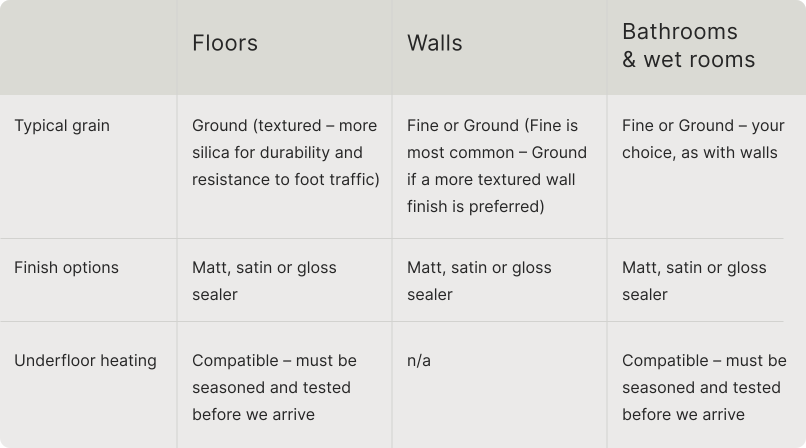
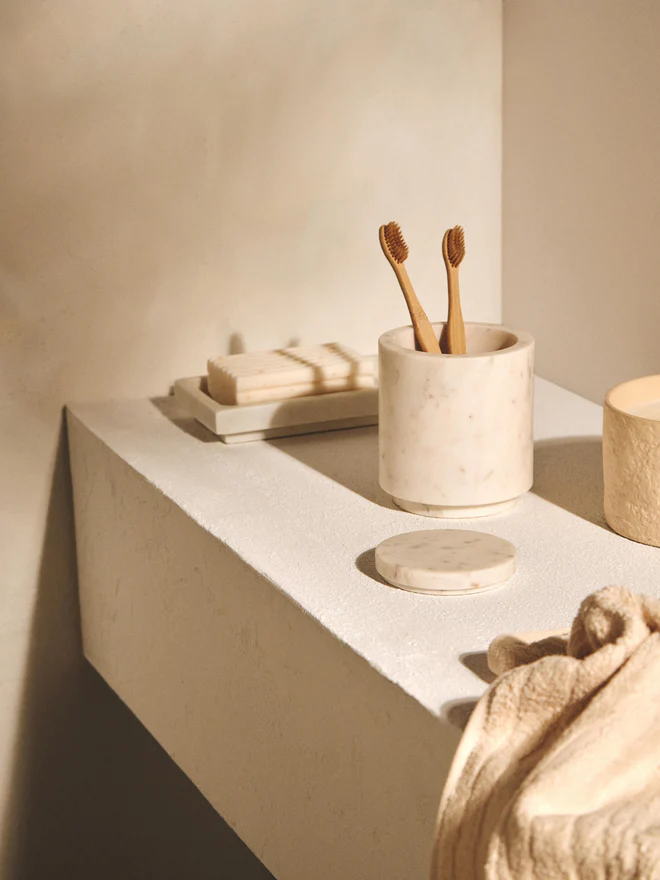
Microcement comes into its own in bathrooms and shower rooms, where you want walls, floors, niches and even shower trays to read as one continuous surface. With the full system and correct detailing, we create waterproof, easy-to-clean spaces with no grout lines and very few places for dirt to collect.
Kitchen floors, hallways & open-plan spaces
On busy floors, microcement gives you a hardwearing, seamless finish that works with underfloor heating and everyday traffic. It is ideal for kitchens, hallways and open-plan living areas where tiles would create too many lines and polished concrete would mean far more structural upheaval.
Stairs & continuous surfaces
Because the system is thin and hand-applied, we can run microcement over stairs, plinths, benches and other built-in elements, tying different levels together visually. This is where you really see the one-piece architectural feel – floors, risers and walls flowing into each other rather than being chopped up by different materials.technical interface between different trades and surface types.
How the system works
We need in place a structurally sound base (which includes any plumbing, waterproofing and underfloor heating, all tested and commissioned). The surface must be flat and clean. When we arrange the project, we will give you the correct details of what your contractors need to prepare.
Resistone microcement is one of the strongest and most resilient continuous surface systems available. The figures below come from independent laboratory tests carried out to established industry standards.
Floor system – EX Ground (Arplus Laboratories):
• Surface hardness: 184 N/mm² (UNE-EN 13892-6)
• Impact resistance: dropped from 1,500mm – no cracking (UNE-EN ISO 6272:2012)
• Mark diameter at 1,500mm drop: 8.8mm (UNE-EN ISO 6272:2012)
• Bending resistance: 16.6 MPa (UNE-EN 13892-2:2003)
• Low emissions: complies with EU Directive 2004-42 EC – safe for indoor residential and commercial use
• Slip resistance: Class 1 standard; Class 2 or 3 available with specific system configurations
Test results obtained under standard laboratory conditions. On-site performance may vary depending on substrate preparation and application conditions.
We apply the full microcement system – primer, base coats, top coats and sealer, with the agreed texture. Fibreglass mesh is applied as part of the system for additional reinforcement. When we arrange the project, we will give you the correct specification for what your contractors need to prepare.
Design-led projects. Homeowners, interior designers and architects who care about the result and durability. People willing to invest correctly once, rather than repair failures later.
Once installed: no traffic for 48 hours. See technical data sheet for full details.
.jpg)
Where the material comes from
The microcement we use is made by Resistone, a Spanish manufacturer whose director formulated his own version of the product in 2010 and has been developing the formula in-house ever since.
Carlos, their first employee, has been with them from the beginning. He knows the material the way a sculptor knows their stone – he can look at a wall and see immediately what the right approach is, what can be skipped, and what absolutely cannot be.
When our team needed training, we did not just read a manual. We were taught by people who built the system. That difference matters with any project we take on.
.svg)
Frequent Questions
001
001
Is it expensive?

Not really – not for what it is. Microcement is a premium product that requires specialist application, but it works out to be quite reasonable compared to alternatives like large format tiles, marble or other natural stone. And unlike those options, it covers the whole surface seamlessly, with no grout lines and no joins.
002
002
Why is it a full system?
Microcement is not a quick coat of paint – it is a hand-applied system that requires skill, artistry and technical knowledge. We apply the layers in thin, controlled passes, build up the base correctly, and seal everything properly so it performs in real life, not just in photos. You are investing in preparation, craft and specialist labour – not just a bag of material. Done properly, it becomes a long-lasting surface that is beautiful and durable.
003
003
How do you clean and look after it?
Day to day, it is simple: a soft mop and a pH-neutral cleaner. That is it. Avoid bleach, strong chemicals, steam cleaners and anything abrasive – these can damage the sealer over time and affect the surface colour. Eco-friendly cleaning products tend to work well. If something spills, wipe it up rather than leaving it to sit. Alcohol and acidic substances are fine briefly but can cause light colour variation after prolonged contact. Treat it the way you would treat a quality natural stone surface. With the right care, it will keep looking good for years.
004
004
Can it go over existing tiles?
In many cases, yes – we can apply microcement over sound existing tiles, as long as they are firmly fixed, not hollow, and the levels and falls work for the room. We check this on a case-by-case basis. Sometimes it is more sensible to keep the tiles; sometimes it is better to remove or adjust them first.
005
005
Is it suitable with underfloor heating?
Yes – microcement is compatible with underfloor heating when the system and subfloor are designed correctly and the heating has been commissioned and seasoned before we arrive. It works well with low, steady heat rather than large temperature swings.


© 2026 The Space Affair
Terms & conditions
